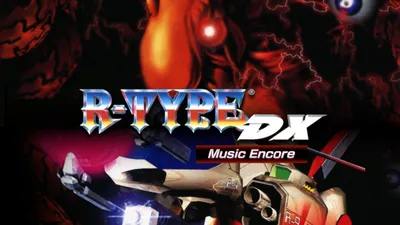
R-TYPE DX release date lands today on Nintendo Switch and Steam. That is the first thing to know. This is not a lazy retro reissue. It is a focused return for players who still like learning patterns and chasing score.
The official listings on the Nintendo store page and the Steam page confirm the launch. They point to the same package. It includes the two classics, modern comfort tools, and a clear arcade goal. If you want more context, check our retro section and our gaming features.
That balance matters. Too many retro projects do too little. Others pile on extras and lose the original feel. R-TYPE DX: Music Encore aims for the middle. It keeps the arcade pace. It also makes the rough edges easier to live with.
R-TYPE DX release date: a retro return with a purpose
The R-TYPE name still matters to shooter fans. The series built its reputation on timing, patience, and brutal stage design. That formula still works because it asks for focus. Every enemy pattern matters. Every move matters. Every mistake matters.
That is why this release fits the moment. Many players want shorter sessions now. They want a game they can read fast and master slowly. R-TYPE does that well. It gives a clean challenge and a clear reason to return.
This is also why the release feels honest. It does not pretend to be a huge prestige event. It simply restores a strong arcade identity and puts it on current storefronts. That restraint is part of the appeal.
R-TYPE DX release date on Switch and Steam: why it still clicks
The Music Encore idea is the most interesting part. In a shooter, music is not background noise. It shapes tension. It marks rhythm. It helps the player feel each shift in momentum. That makes this more than a straight port.
The package also keeps the original R-TYPE and R-TYPE II inside the release. So it works as a playable archive, not only as a new wrapper. Players can compare pacing, mode structure, and overall tone. That gives the release real depth.
The support features are practical, not flashy. Rewind lowers frustration. Quick save helps longer runs. Full Power-Up Start lets players test routes faster. Rapid Fire makes the entry barrier lighter. None of that cancels the challenge. It just makes the game easier to approach.
That approach is close to the best retro compilations on the market. The strongest ones do not dump old ROMs into a menu. They add context, comfort, and a clean presentation. R-TYPE DX: Music Encore seems to follow that rule. If you follow Nintendo coverage, our Nintendo section is worth a look too.
R-TYPE DX release date: who should play it?
If you like score chasing, memorization, and tight arcade design, this is for you. If you enjoy repeat runs that reward discipline, it is for you too. If you want constant story scenes or open-world freedom, it probably is not. The game is lean and focused.
Fans of Gradius, Darius, or Ikaruga will understand the appeal quickly. These games ask for patience. They also offer a very pure sense of progress. That is rare in a market full of broad systems and side activities.
There is a bigger point here. Retro releases only work when the publisher respects the original design. This one appears to do that. It keeps the challenge intact. It adds useful quality-of-life tools. It also gives players a reason to care about the package itself.
So yes, R-TYPE DX: Music Encore is niche. It is also principled. In a week filled with louder headlines, that clarity stands out. It may not dominate the conversation, but it should earn respect from shooter fans.
In the end, this is the kind of release that keeps the retro scene healthy. It treats history as something playable, not something sealed away. If you want to follow more notable drops, stay close to our news feed and keep an eye on what lands next.